Vintage Shield Silhouette Bundle: Integrating Premium Vector Assets into Professional Design Workflows
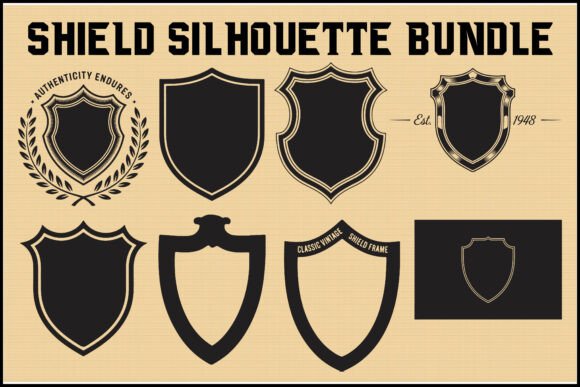
In the landscape of digital design and physical crafting, consistency and quality are the cornerstones of professional output. Whether you are a small business owner developing a brand identity, a hobbyist creating custom home décor, or a freelance designer managing multiple client projects, the assets you choose define the efficiency of your workflow. The Vintage Shield Silhouette Bundle represents more than just a collection of graphics; it is a strategic resource designed to streamline the creative process from concept to final production. By providing a versatile set of vintage-inspired shield designs, this bundle allows creators to bypass the time-consuming initial sketching phase and move directly into refinement and implementation.
Understanding the Asset Structure and Compatibility
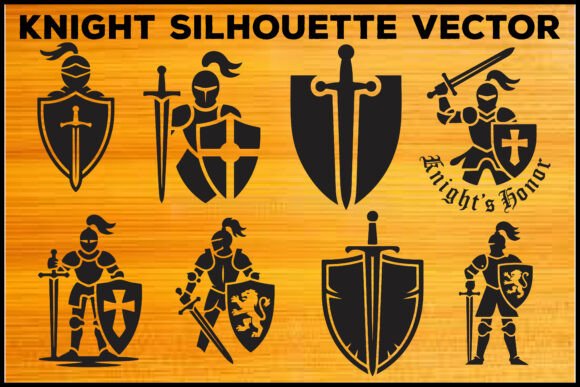
Before integrating any digital asset into your workflow, it is crucial to understand its technical specifications. The Vintage Shield Silhouette Bundle is structured to support a wide array of software environments and production methods. It includes eight distinct designs, each delivered in four primary file formats: SVG, PNG, JPG, and EPS. This multi-format approach ensures that the bundle interacts seamlessly with both vector-based editing tools and raster-based applications.
The SVG files are scalable vector graphics, making them ideal for users of cutting machines such as Cricut and Silhouette Cameo. Because vectors are resolution-independent, these files can be scaled to any size without losing clarity, which is essential for large-format printing or intricate vinyl cutting. For those working in professional vector software like Adobe Illustrator or CorelDRAW, the included EPS files offer fully editable paths. This allows for deep customization, such as adjusting anchor points, modifying stroke weights, or combining elements to create unique composite logos.
For digital designers and sublimation printers, the PNG files provide high-resolution 300 DPI images with transparent backgrounds. This transparency is critical for layering designs over textures, photographs, or colored backgrounds without the need for manual background removal. The JPG files serve as quick-reference previews or standard print-ready images for projects where transparency is not required. Understanding these distinctions allows you to select the right file type at the right stage of your project, reducing errors and rework.
Strategic Implementation in Branding and Logo Design
One of the most common applications for shield silhouettes is in branding, particularly for businesses aiming to convey heritage, trust, and authority. Vintage shields are historically associated with crests, coats of arms, and institutional badges. When incorporating the Vintage Shield Silhouette Bundle into a branding project, the process begins with selection and adaptation.
Start by identifying the core values of the brand. If the brand emphasizes tradition and stability, a shield with ornate, classical lines may be appropriate. If the brand is modern but wants a touch of vintage flair, a simpler silhouette might work better. Once selected, import the EPS or SVG file into your vector editor. Here, you can integrate typography, icons, or monograms within the shield’s negative space. The key to successful implementation is balance; ensure that the decorative symbols do not overwhelm the central message or logo mark.
This bundle also facilitates rapid prototyping. Instead of spending hours drawing basic shapes, designers can use the pre-made shields as a foundation. This accelerates the client presentation phase, allowing for more iterations and feedback loops within the same timeframe. The ability to quickly swap out different shield styles helps clients visualize various directions, leading to faster decision-making and project approval.
Workflow Integration for Crafters and Makers
For makers using cutting machines, the Vintage Shield Silhouette Bundle fits directly into the preparation and execution phases of physical product creation. Whether you are producing vinyl decals, iron-on transfers, or laser-cut wood ornaments, the workflow remains consistent but requires attention to detail.
Begin by importing the SVG file into your cutting software, such as Cricut Design Space or Silhouette Studio. Check the path integrity to ensure there are no open nodes or overlapping lines that could cause cutting errors. For vinyl projects, consider the complexity of the design. Intricate vintage details may require high-quality, premium vinyl to prevent tearing during the weeding process. For laser cutting, adjust the power and speed settings based on the material thickness, keeping in mind that fine details in the shield’s decorative elements may require slower speeds for precision.
Sublimation printing offers another avenue for these assets. Using the high-resolution PNG files, you can print shield designs onto polyester fabrics, mugs, or metal plates. The transparent background ensures that the shield blends naturally with the substrate color. When preparing files for sublimation, mirror the image if necessary and ensure the color profile matches your printer’s capabilities to maintain color fidelity. This bundle’s high DPI rating ensures that edges remain crisp, even when printed on textured surfaces.
Enhancing Digital Media and Print Projects
Beyond physical crafts and logos, these shield silhouettes are valuable assets for digital media and print collateral. Bloggers, educators, and marketers can use them to create visually engaging headers, social media graphics, or certificate templates. The vintage aesthetic adds a layer of sophistication and authority to educational materials or award certificates.
In print media, such as brochures, business cards, or packaging labels, the EPS files allow for precise control over print colors. You can convert the vector paths to CMYK color spaces to ensure accurate reproduction on offset or digital presses. The shields can serve as frames for product photos, background elements for text blocks, or standalone decorative motifs. By maintaining a consistent visual language across all printed materials, you reinforce brand recognition and professional quality.
Best Practices for Organization and Long-Term Use
To maximize the value of the Vintage Shield Silhouette Bundle, establish a systematic approach to asset management. Create a dedicated folder structure on your computer or cloud storage system. Separate the files by format (SVG, PNG, EPS, JPG) and further categorize them by project type or client if necessary. This organization reduces search time and ensures that you are always using the correct file version.
Consider creating a library of modified versions. If you frequently customize certain shields for different clients, save these variations as templates. This practice builds a personal asset library that extends the utility of the original bundle. Over time, you will develop a repertoire of go-to designs that align with your specific style or niche, enhancing your efficiency and consistency.
Quality control is another critical aspect. Before finalizing any project, zoom in to 100% or higher to inspect the edges and details of the shield. Ensure that all vector paths are closed and that raster images are sharp. For print projects, request a proof or test print to verify color accuracy and alignment. These small steps prevent costly mistakes and ensure that the final output meets professional standards.
Conclusion: Elevating Creative Efficiency
The Vintage Shield Silhouette Bundle is a practical tool for anyone involved in design, crafting, or branding. By providing high-quality, versatile files in multiple formats, it removes technical barriers and allows creators to focus on creativity and execution. Whether you are designing a logo, cutting vinyl decals, or printing sublimation products, integrating these assets into your workflow enhances efficiency and quality. With proper organization and attention to detail, this bundle becomes a foundational element of your creative toolkit, supporting diverse projects and long-term professional growth.