Integrating the Ornate Swash Line Calligraphy Element into Professional Design Workflows
In the landscape of modern graphic design, the balance between minimalism and decorative flair is a constant negotiation. For professionals ranging from brand strategists to wedding invitation designers, the Ornate Swash Line. Calligraphy Element. serves as a critical bridge between structural layout and artistic expression. This asset is not merely a decorative afterthought; it is a functional tool that guides the viewer’s eye, establishes hierarchy, and adds a layer of sophistication to digital and print media. Understanding how to effectively integrate this element requires more than just dragging and dropping a file. It demands a strategic approach to workflow, file management, and aesthetic consistency.
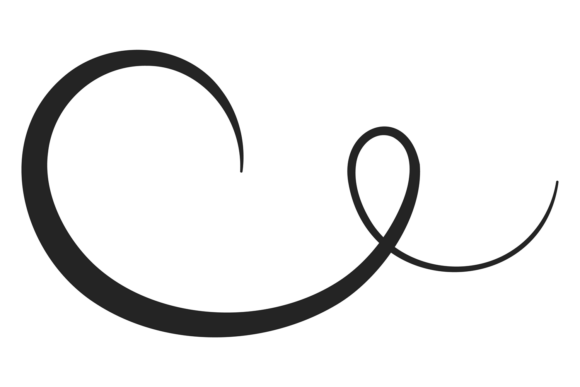
The Ornate swash line. Calligraphy element. Decorative swirl isolated on white background EPS, JPG, SVG, transparent PNG. represents a versatile resource kit. Each format serves a distinct purpose in the production pipeline. By mastering the specific use cases for each file type, creators can streamline their processes, reduce revision time, and ensure high-quality output across various platforms. This article explores the practical implementation of these assets, focusing on preparation, compatibility, and long-term usability within professional environments.
Strategic Placement in the Design Process
The decision to incorporate an ornate swash line should occur during the initial conceptual phase, not as a final补救 measure. When planning a project, such as a luxury brand identity or a formal event suite, consider where visual breaks are needed. Swash lines function effectively as dividers, framing devices, or underlines for typography. Identifying these needs early allows for a more cohesive composition.
During the execution phase, the swash line interacts directly with typography. The curvature of the calligraphy element must complement the weight and style of the chosen font. A heavy, serif typeface may require a bolder swash, while a delicate script pairs better with finer lines. This interaction is dynamic; adjustments to scale and rotation are often necessary to achieve visual harmony. Professionals who treat the swash line as an integral part of the typographic system, rather than an overlay, produce more polished and intentional designs.
Post-production considerations involve quality control across different mediums. A design that looks balanced on a backlit screen may appear cluttered in print. Therefore, testing the element in its final output format is essential. This step ensures that the intricate details of the calligraphy remain crisp and that the spacing does not interfere with legibility or overall balance.
Navigating File Formats for Maximum Efficiency
The versatility of the Ornate Swash Line. Calligraphy Element. lies in its multi-format availability. Understanding the technical strengths of EPS, JPG, SVG, and transparent PNG files is crucial for efficient workflow management. Each format offers unique advantages depending on the software and end-use scenario.
- EPS (Encapsulated PostScript): Ideal for print production and vector-based editing. This format allows for infinite scalability without loss of quality. Designers using Adobe Illustrator or InDesign should prioritize EPS files for large-format prints, such as banners or packaging, where precision is paramount.
- SVG (Scalable Vector Graphics): The standard for web development. SVGs are code-based, making them lightweight and responsive. For web designers and developers, integrating the swash line as an SVG ensures it renders sharply on all devices, from mobile phones to 4K monitors, while maintaining fast load times.
- Transparent PNG: Essential for quick compositing in raster-based programs like Photoshop. The transparent background eliminates the need for manual masking, saving significant time during the drafting phase. This format is particularly useful for social media graphics, digital ads, and presentations where speed is a priority.
- JPG: Suitable for preview purposes or when working with software that has limited format support. While less flexible due to the white background, JPGs are universally compatible and useful for initial mood boards or client approvals where editability is not required.
Organizing these files systematically prevents bottlenecks. Create a dedicated asset library with subfolders for each format. Label files clearly with dimensions and usage notes. This organizational habit reduces search time and ensures that the correct version is used for each specific task, minimizing errors and rework.
Integration with Existing Tools and Platforms
The Ornate swash line. Calligraphy element. Decorative swirl isolated on white background EPS, JPG, SVG, transparent PNG. does not exist in a vacuum. It interacts with a broader ecosystem of design tools and platforms. For instance, when working in Canva or other user-friendly design platforms, the PNG format is often the most accessible. Users can upload the transparent image and layer it over text or backgrounds with ease. However, for advanced customization, vector formats like EPS and SVG are indispensable.
In Adobe Creative Cloud workflows, the EPS file can be opened directly in Illustrator, allowing designers to modify anchor points, change colors, or adjust stroke weights to match brand guidelines. This level of control is vital for maintaining consistency across multiple deliverables. Similarly, web developers can embed SVG code directly into HTML/CSS, enabling interactive effects such as color changes on hover or animated drawing paths.
Collaboration also plays a role. When sharing assets with team members or clients, providing a zip folder containing all formats ensures that everyone has access to the appropriate file for their specific role. This proactive approach reduces friction in the feedback loop and accelerates project completion.
Practical Implementation Tips for Consistency and Quality
To maximize the impact of the Ornate Swash Line. Calligraphy Element., adhere to principles of consistency and restraint. Overuse of decorative elements can dilute their effectiveness and clutter the design. Use swash lines sparingly to highlight key information or separate distinct sections. Establish a style guide that dictates the minimum and maximum sizes, acceptable color variations, and placement rules for the element.
Color adaptation is another critical factor. While the element may come in black or gold, it should be adjustable to fit the project’s palette. Vector formats allow for easy recoloring. Ensure that the chosen color provides sufficient contrast against the background to maintain visibility. For dark backgrounds, consider using a lighter shade or adding a subtle glow effect to enhance legibility.
Alignment and spacing require meticulous attention. The swash line should align with the baseline or cap height of the accompanying text, depending on its function. Use grid systems and alignment tools to ensure precise placement. Avoid arbitrary positioning, which can disrupt the visual flow and appear unprofessional. Consistent spacing between the text and the swash line creates a sense of order and refinement.
Long-Term Value and Asset Management
Investing in high-quality calligraphy elements yields long-term benefits for businesses and creators. These assets can be reused across multiple campaigns, creating a recognizable visual language. For entrepreneurs and small business owners, a library of versatile design elements reduces reliance on external designers for minor updates, fostering independence and cost efficiency.
Regularly audit your asset library to remove outdated or unused files. Keep track of licensing agreements to ensure compliance, especially for commercial projects. By treating the Ornate swash line. Calligraphy element. Decorative swirl isolated on white background EPS, JPG, SVG, transparent PNG. as a strategic resource rather than a disposable graphic, you enhance your operational efficiency and creative capacity.
In conclusion, the successful integration of the Ornate Swash Line. Calligraphy Element. depends on a clear understanding of its role in the design process, technical proficiency with file formats, and disciplined application. By approaching this asset with a workflow-oriented mindset, professionals can elevate their designs, streamline their operations, and achieve consistent, high-quality results. Whether used in print, web, or social media, this element offers a timeless elegance that, when applied correctly, enhances communication and engages audiences effectively.