Understanding Traditional Japanese Kumiko Art
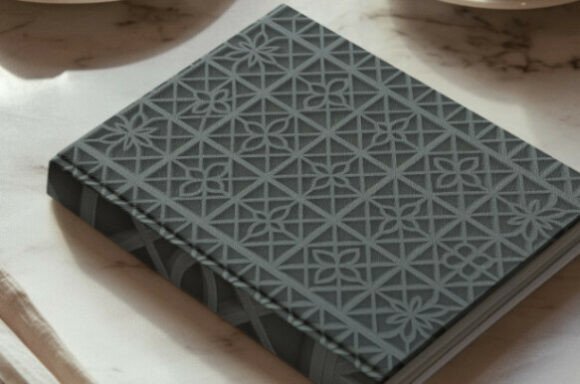
Traditional Japanese Kumiko Art is more than just a method of woodworking; it is a meditation on precision, patience, and the inherent beauty of geometry. At its core, kumiko involves assembling small pieces of wood into intricate patterns without the use of nails, screws, or glue. The structural integrity relies entirely on the exactness of the joinery. When you look closely at a finished piece, such as a detailed close-up featuring a precise geometric lattice with delicate four-petaled floral motifs framed by angular diamond patterns, you are witnessing centuries of refined technique. The symmetrical arrangement and meticulous joinery highlight the artistry and cultural heritage of this ornamental wooden design, making it perfect for both decorative and architectural applications.
The Appeal Across Different Disciplines
Why does this ancient craft resonate with such a diverse modern audience? The answer lies in its versatility. For some, kumiko is a spiritual practice; for others, it is a unique selling proposition in interior design or product manufacturing. Understanding Traditional Japanese Kumiko Art requires looking at it through different lenses, depending on your goals and background.
For the Hobbyist and Beginner: The Joy of Precision
If you are new to woodworking, kumiko offers a distinct entry point that differs significantly from conventional carpentry. You do not need large workshops or heavy machinery. Instead, you need sharp chisels, a steady hand, and an eye for detail. Beginners often find the learning curve steep but rewarding. The primary priority here is learning value and creativity.
Starting with simple patterns, such as the basic "Asanoha" (hemp leaf), allows novices to understand how angles interact. The satisfaction comes from the "click" when two pieces fit together perfectly. For the hobbyist, the cost of entry is relatively low compared to furniture making, but the demand for accuracy is high. It teaches a level of discipline that translates to other areas of life. If you enjoy puzzles, mathematics, or mindfulness practices, kumiko provides a tangible outlet for those interests.
For the Professional Woodworker: Mastering Joinery
Experienced craftsmen approach Traditional Japanese Kumiko Art with a focus on technical mastery and efficiency. For professionals, the challenge is not just making it work, but making it repeatable and scalable. The priority shifts to quality, speed, and reliability.
A professional might evaluate kumiko techniques to integrate them into high-end custom doors, room dividers, or cabinetry. The intricate geometric lattice with delicate four-petaled floral motifs mentioned earlier is not just decorative; it is a test of skill. Professionals must consider wood movement, humidity changes, and structural longevity. They might use specialized jigs to cut the tiny joints faster, balancing traditional aesthetics with modern production needs. For this group, kumiko is a premium service that distinguishes their brand in a crowded market.
For Interior Designers and Architects: Spatial Harmony
Designers care about how light and space interact. Kumiko panels are exceptional at filtering light, creating soft shadows that change throughout the day. This makes them ideal for screens, lampshades, and ceiling accents. The priority here is presentation and aesthetic flexibility.
When specifying kumiko for a project, designers look for patterns that complement the architectural style. A modern minimalist space might benefit from simpler diamond patterns, while a traditional tea house might require complex floral motifs. The ability to customize the density of the lattice allows control over privacy and airflow. For architects, understanding the structural limits of these thin wooden strips is crucial to ensure safety and durability in commercial or residential installations.
For Entrepreneurs and Small Business Owners: Commercial Value
Small business owners and marketers see Traditional Japanese Kumiko Art as a niche with high perceived value. Handcrafted kumiko items command higher prices due to the labor intensity involved. The focus here is on commercial value and brand storytelling.
Entrepreneurs might sell kumiko coasters, trays, or wall art. The key to success is communicating the story behind the craft. Customers are not just buying a wooden object; they are buying hours of skilled labor and a connection to Japanese heritage. Marketing efforts should highlight the meticulous joinery and the uniqueness of each piece. However, business owners must also consider scalability. Hand-making every item is time-consuming, so finding a balance between handmade authenticity and semi-automated production is a common strategic decision.
For Educators and Content Creators: Sharing Knowledge
Educators and bloggers use kumiko to teach principles of geometry, history, and mindfulness. The visual nature of the craft makes it excellent for video content and tutorials. The priority is engagement and educational clarity.
Creating content around kumiko allows creators to tap into the growing interest in slow living and traditional crafts. By breaking down complex patterns into step-by-step guides, educators can make this art form accessible to a wider audience. They might explore the mathematical ratios behind the patterns, appealing to students interested in STEM fields. For publishers, high-quality images of the intricate lattices drive traffic and social shares, provided the content offers genuine insight rather than superficial overview.
Evaluating Your Fit with Kumiko
How do you know if Traditional Japanese Kumiko Art is right for you? Consider your primary objective:
- Seeking Relaxation? If you want a meditative hobby, start with small kits. Focus on the process, not the perfection.
- Building a Brand? If you are a maker, identify which patterns resonate with your target market. Simple geometric designs may sell better to modern audiences, while complex floral motifs appeal to collectors.
- Enhancing a Space? If you are a homeowner or designer, consider the lighting conditions. Kumiko shines when backlit or placed near natural light sources.
- Teaching Skills? If you are an educator, use kumiko to demonstrate precision and patience. It is a powerful tool for developing fine motor skills and spatial awareness.
Practical Considerations for Success
Regardless of your background, there are universal factors to consider when engaging with kumiko. Wood selection is critical. Hinoki (Japanese cypress) is traditional due to its straight grain and softness, but basswood or maple can also work well for beginners. The wood must be dry and stable to prevent warping, which can ruin the tight joints.
Tool quality matters immensely. Dull blades will tear the delicate fibers of the wood, resulting in sloppy fits. Invest in sharp chisels and a precise saw. Additionally, understand that time is your most significant investment. A single panel can take dozens of hours to complete. Accepting this timeline is essential for maintaining enjoyment and avoiding burnout.
Finally, respect the cultural context. Kumiko is deeply rooted in Japanese history and architecture. Whether you are creating for personal joy or commercial gain, acknowledging this heritage adds depth to your work. It transforms a simple wooden lattice into a piece of living history.
In conclusion, Traditional Japanese Kumiko Art offers something valuable to everyone who approaches it. Whether you are drawn to the mathematical precision, the aesthetic beauty, or the commercial potential, the key is to start where you are. Use the resources available, respect the craft, and let the intricate patterns guide your journey. The delicate four-petaled floral motifs and angular diamond patterns are not just designs; they are invitations to slow down and appreciate the details.