Revitalizing Textiles: The Art and Utility of Cartoon Fabric Patches
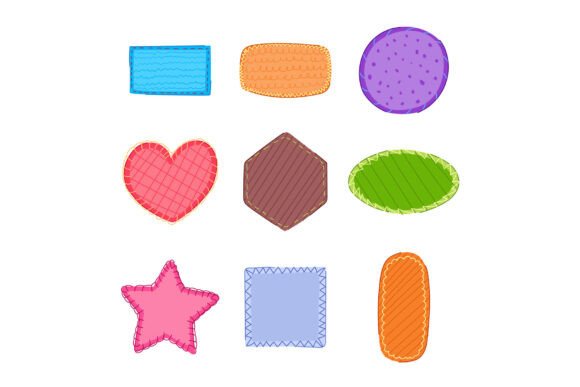
In an era increasingly defined by fast fashion and disposable consumer goods, a quiet revolution is taking place in wardrobes, workshops, and creative studios around the world. This movement champions longevity, personalization, and sustainability through the simple yet profound act of mending and embellishing textiles. At the heart of this resurgence is the versatile fabric patches set cartoon, a tool that transcends its original utilitarian purpose to become a medium for artistic expression and environmental responsibility. Whether used to cover a worn-out elbow on a beloved denim jacket or to add a whimsical touch to a plain canvas bag, these patches offer a bridge between functional repair and decorative art.
The appeal of these items lies not just in their aesthetic charm but in their accessibility. A custom vintage style patch can transform a generic garment into a one-of-a-kind statement piece, reflecting the wearer’s personality, interests, or sense of humor. From intricate embroidered designs to bold, graphic prints, the variety available today allows for endless creativity. This article explores the multifaceted world of fabric patches, examining their role in sustainable fashion, their application in various creative projects, and the technical considerations that ensure a lasting bond between patch and fabric.
The Renaissance of Visible Mending
Historically, mending clothes was a necessity driven by economic constraints. Holes were darned, tears were stitched, and stains were covered to extend the life of garments. However, the modern approach to repair has shifted from hiding damage to celebrating it. This philosophy, often referred to as "visible mending," treats repairs as opportunities for enhancement rather than mere fixes. A decorative repair using a colorful cartoon patch does not attempt to disguise the wear and tear; instead, it highlights the history of the item, adding character and narrative value.
This shift aligns closely with growing environmental consciousness. The textile industry is one of the largest polluters globally, contributing significantly to water contamination and landfill waste. By choosing to repair rather than replace, consumers actively reduce their carbon footprint. Using a badge patchwork fabric patches sign to fix a tear in a pair of jeans keeps that garment in circulation, delaying its journey to the landfill. This practice empowers individuals to take control of their consumption habits, fostering a deeper connection to their belongings and encouraging a mindset of care and maintenance.
Beyond Repair: Customization and Identity
While repair is a primary function, the decorative potential of cartoon fabric patches is equally significant. For creators, hobbyists, and even professional designers, patches serve as modular design elements that can be rearranged, layered, and combined to create unique visual compositions. A single isolated symbol vector illustration converted into a patch can become the focal point of a project, conveying a specific message or aesthetic without the need for complex sewing skills.
Consider the popularity of personalized backpacks, laptop sleeves, and denim jackets among younger demographics. These items often serve as canvases for self-expression, adorned with patches that represent favorite bands, social causes, hobbies, or inside jokes. The ease of applying iron-on or sew-on patches makes this form of customization accessible to people of all ages and skill levels. Unlike permanent alterations such as dyeing or cutting, patches are relatively reversible, allowing users to update their style as their interests evolve. This flexibility is particularly appealing in a fast-changing cultural landscape where trends shift rapidly.
Technical Considerations for Application
To achieve a professional and durable result, understanding the mechanics of patch application is essential. Not all patches are created equal, and not all fabrics respond to adhesive methods in the same way. The two primary methods of attachment are sewing and heat activation (iron-on). Each has its advantages and ideal use cases.
- Sewing: This traditional method offers the strongest bond and is recommended for items that will undergo frequent washing and heavy wear, such as work uniforms or children’s play clothes. Hand-sewing allows for precise control and can add a textured, artisanal look to the final piece. Machine sewing provides speed and consistency, particularly useful when applying multiple patches in a badge patchwork arrangement.
- Iron-On: Modern adhesive backs have made application quicker and easier. However, heat-activated glue may degrade over time, especially after repeated wash cycles. To enhance durability, many experts recommend combining methods: using the iron to position and temporarily secure the patch, followed by stitching around the edges for long-term stability.
When working with a fabric patches set cartoon, it is crucial to consider the weight and texture of both the patch and the base fabric. A heavy embroidered patch applied to a delicate silk blouse may cause puckering or damage due to weight disparity. Conversely, a lightweight printed patch may not adequately reinforce a hole in thick denim. Matching the structural integrity of the patch to the garment ensures both aesthetic harmony and functional effectiveness.
Design Principles for Patchwork
Creating a cohesive look with multiple patches requires an eye for composition. Randomly placing various custom vintage styles can result in a cluttered appearance, whereas thoughtful arrangement creates visual interest and balance. Designers often consider color palettes, thematic consistency, and spatial distribution when planning a patchwork layout.
For instance, grouping patches by color family can create a harmonious gradient effect, while mixing contrasting colors can produce a vibrant, eclectic vibe. Thematic consistency—such as using only space-related cartoons or floral motifs—helps unify disparate elements. Additionally, varying the sizes and shapes of patches prevents monotony. A large central patch can anchor the design, surrounded by smaller accents that fill negative space without overwhelming the viewer. This strategic approach transforms a simple repair job into a curated artistic statement.
Applications Across Industries and Hobbies
The utility of fabric patches extends far beyond personal clothing repair. Educators use them in textile arts classes to teach basic sewing skills and design principles. Business owners incorporate branded patches into corporate merchandise, offering a durable and stylish alternative to printed logos that may fade or crack. Therapists and occupational therapists utilize patching activities to improve fine motor skills and provide a calming, repetitive task for clients.
In the realm of cosplay and costume design, patches are invaluable for creating detailed armor accents, military insignia, or fantasy emblems. The ability to source or create a specific isolated symbol vector illustration as a patch allows cosplayers to achieve high levels of accuracy and detail without extensive fabrication. Similarly, outdoor enthusiasts rely on high-quality patches to repair gear such as tents, backpacks, and sleeping bags, ensuring their equipment remains functional in challenging conditions.
Furthermore, the rise of online marketplaces has facilitated a global exchange of patch designs. Artists from different cultures share their unique aesthetics, leading to a rich diversity of styles available to consumers. This cross-pollination of ideas inspires new trends and encourages experimentation. A user in Europe might combine a Japanese-inspired cherry blossom patch with a American retro-style cartoon, creating a fusion style that reflects global connectivity.
Sustainability and the Future of Textile Care
As awareness of environmental issues grows, the demand for sustainable solutions in fashion continues to rise. Fabric patches represent a tangible step toward a circular economy, where resources are kept in use for as long as possible. By extending the lifespan of garments, patches reduce the need for new production, thereby conserving water, energy, and raw materials.
Moreover, the emotional attachment fostered by mending and customizing clothes encourages mindful consumption. When individuals invest time and effort into repairing a item, they are less likely to discard it impulsively. This shift in behavior has broader implications for the fashion industry, potentially driving brands to produce higher-quality, more durable goods that are designed to be repaired and maintained.
In conclusion, the humble fabric patch is much more than a quick fix for a hole. It is a tool for creativity, a symbol of sustainability, and a means of personal expression. Whether you are a professional designer, a concerned parent, or a hobbyist looking to breathe new life into old clothes, incorporating a fabric patches set cartoon into your toolkit opens up a world of possibilities. By embracing the art of visible mending and decorative repair, we not only enhance our surroundings but also contribute to a more responsible and resilient approach to material culture. The next time you encounter a tear or a stain, consider it an invitation to create something new, unique, and enduring.