Ornament Logo: Elevate Your Brand with Vintage Style
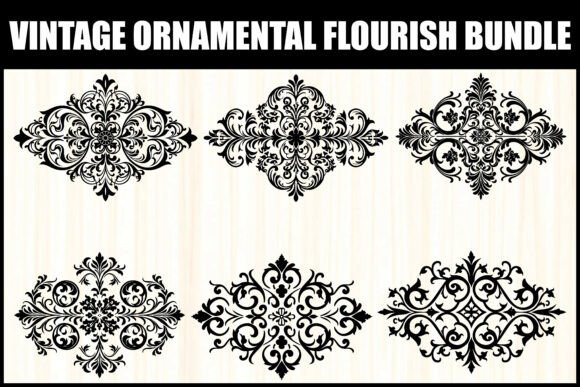
In the world of visual identity, first impressions are often dictated by the smallest details. An ornament logo does more than just display a name; it wraps a brand in a narrative of heritage, elegance, and craftsmanship. Whether you are designing for a luxury boutique, a wedding planner, or an artisanal bakery, incorporating decorative elements can transform a simple graphic into a memorable emblem. These designs rely on intricate lines, floral motifs, and classic structures to convey a sense of timelessness that modern minimalism sometimes lacks.
Understanding how to effectively use these assets requires looking beyond the surface. It is not merely about adding a swirl or a border; it is about selecting the right vintage aesthetic that aligns with your specific audience and business goals. From the busy entrepreneur seeking a quick template to the professional designer crafting a bespoke identity, the approach to ornamental design varies significantly.
The Strategic Value of Decorative Design
Why do brands choose an ornate style over clean, sans-serif simplicity? The answer lies in perception. Ornamental graphics evoke feelings of tradition, quality, and exclusivity. When a consumer sees a filigree frame or a calligraphic flourish, their brain often associates these visuals with high-end service or handcrafted goods. This psychological trigger is powerful for businesses aiming to position themselves in the luxury or premium market segments.
For a victorian-inspired tea shop, a stark, modern logo might feel disconnected from the experience they offer. Conversely, a tech startup might find such embellishments distracting. Therefore, the decision to use an antique style should be driven by the brand’s story. Are you selling history? Comfort? Royalty? If so, a decorative element acts as a visual shorthand for those values.
Perspectives from Different Creators
The utility of an ornament logo changes depending on who is holding the mouse. Let us explore how different groups evaluate and utilize these design resources.
For Beginners and Small Business Owners
If you are a solopreneur or a small business owner with limited design experience, pre-made vector sets are invaluable. You likely prioritize speed and ease of use. Searching for a template that includes a badge, ribbon, and text placeholder allows you to create a professional-looking identity without hiring an agency.
- Priority: Affordability and immediate usability.
- Challenge: Avoiding generic looks. Many beginners use the same popular swirl assets, leading to brand dilution.
- Solution: Customize the color palette and combine different elements. Mix a floral corner with a typographic center to create something unique.
For this group, the goal is often to produce a cohesive invitation suite or greeting card line quickly. Using a consistent frame style across all marketing materials helps build recognition even if the logo itself is simple.
For Professional Designers and Illustrators
Experienced designers view ornament libraries as building blocks rather than final products. They are less interested in ready-made logos and more focused on the flexibility of the graphic components. A high-quality SVG file allows them to manipulate anchor points, adjust line weights, and integrate scroll work seamlessly into custom lettering.
Professionals evaluate these assets based on:
- Scalability: Does the line work hold up when scaled down for a favicon or up for a storefront sign?
- Originality: Can this vignette be modified enough to become proprietary?
- Compatibility: How well does the classic style mesh with modern calligraphy or contemporary fonts?
For a designer working on a wedding brand, the nuance of a flourish matters immensely. They might deconstruct a border to create a custom divider for a menu, ensuring every pixel serves the overall elegant aesthetic.
For Educators and Hobbyists
Teachers and hobbyists often use ornament logo resources for educational purposes or personal projects. For an educator teaching graphic design history, vintage vectors serve as excellent examples of art nouveau or baroque influences. Students learn by tracing these shapes, understanding the balance between negative space and intricate detail.
Hobbyists, such as those creating homemade labels for jams or candles, appreciate the retro charm these elements provide. The focus here is on creativity and fun. They might experiment with royal crests or banner styles to add a touch of whimsy to their crafts. The barrier to entry is low, making these tools accessible for anyone wanting to add a polished look to personal creations.
Key Elements of Effective Ornamental Logos
Creating a successful ornament logo involves balancing several components. It is not enough to simply stack decorations; they must work in harmony.
Typography and Integration
The relationship between the text and the decoration is critical. A heavy, ornate frame can overwhelm a delicate script font. Conversely, a bold serif might clash with thin, wispy filigree. Ensure that the calligraphic elements complement the weight and style of the typography. The text should feel anchored by the graphics, not trapped by them.
Symmetry and Balance
Many victorian and classic designs rely on symmetry. A central symbol or icon flanked by mirrored scrolls creates a sense of stability and order. However, asymmetrical designs can offer a more dynamic, modern twist on the antique style. Consider whether your brand benefits from the formal feel of symmetry or the organic flow of an asymmetrical flourish.
Complexity vs. Clarity
While intricate details are appealing, they can become muddy when printed small. A logo must be recognizable at various sizes. If your design features dense pattern work, consider creating a simplified version for social media avatars or mobile screens. Retain the core shape and style but reduce the number of fine lines.
Practical Applications Across Industries
Different sectors leverage ornament logos in distinct ways. Understanding these applications can help you decide if this style fits your project.
- Hospitality and Dining: Restaurants and cafes often use badges and crests to suggest established quality. A vintage label style works well for craft breweries or coffee roasters.
- Beauty and Wellness: Spas and salons frequently employ floral and elegant motifs to convey relaxation and natural beauty. Soft swirls and leaf elements are common here.
- Legal and Financial: While often modern, some firms use classic frames to project authority and tradition. A subtle border can add gravitas without appearing outdated.
- Events and Stationery: This is perhaps the most natural fit. Wedding planners, photographers, and invitation designers rely heavily on decorative borders and dividers to create romantic and sophisticated layouts.
Making the Right Choice for Your Project
When evaluating whether an ornament logo is right for you, ask yourself three questions. First, does the style align with my brand’s personality? If you are innovative and disruptive, a retro look might send the wrong message. Second, do I have the technical skills to customize the vector files, or do I need a drag-and-drop solution? Third, where will this logo primarily live? If it is mostly digital, ensure the details are visible on screens. If it is for packaging, check how the ink will hold the fine lines.
Ultimately, an ornament logo is a tool for storytelling. It connects the present day with the aesthetics of the past, offering a sense of continuity and care. Whether you are a beginner using a template or a pro crafting a custom monogram, the goal remains the same: to create a visual identity that resonates with your audience and stands the test of time. By carefully selecting your elements, respecting the balance of design, and understanding your audience's expectations, you can harness the power of ornamental art to elevate your brand.