Chinese New Year 2026: Embracing the Year of the Horse with Bold Red Illustrations
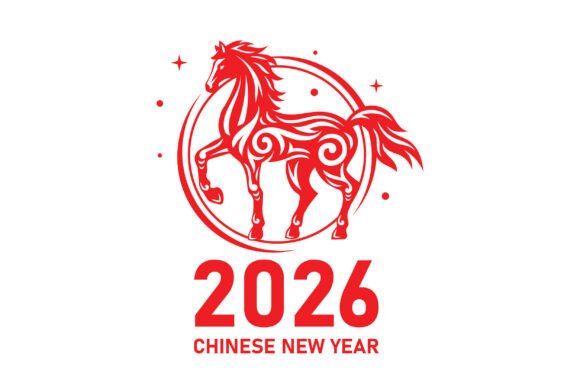
The approach of Chinese New Year 2026 marks a significant cultural milestone, ushering in the Year of the Horse. For designers, marketers, and individuals planning celebrations, this occasion presents a unique opportunity to blend traditional symbolism with contemporary aesthetics. Central to many visual campaigns for this year is the red decorative illustration of a horse, a motif that captures the energy, freedom, and vitality associated with this zodiac sign. Understanding how to effectively utilize these design elements—available in various formats such as SVG, EPS, PNG, PDF, and JPG—requires a nuanced appreciation of both cultural context and technical application.
When preparing for Chinese New Year 2026, one must consider not just the imagery but the medium through which it is delivered. The choice between vector and raster formats, or between editable templates and static images, can significantly impact the final outcome of your project. This article explores the distinct characteristics of the Year of the Horse, compares different design resource options, and provides practical guidance on selecting the right file format for your specific needs.
Understanding the Significance of Chinese New Year 2026
Chinese New Year 2026 falls on February 17, 2026. It is the Year of the Fire Horse, a combination that amplifies the inherent traits of the horse zodiac sign: independence, enthusiasm, and dynamism. In Asian cultures, the horse is revered for its strength and perseverance. The color red, traditionally used in decorations, symbolizes good fortune, joy, and the warding off of evil spirits. Therefore, a red decorative illustration of a horse is not merely an aesthetic choice but a culturally resonant symbol intended to invite prosperity and positive energy.
Unlike previous years that may have featured more subdued or static animals like the Ox or Rabbit, the Horse demands movement and boldness in design. This distinction influences how designers approach their work for Chinese New Year 2026. The visual language tends to be more energetic, utilizing sharp lines, dynamic poses, and vibrant contrasts. Recognizing this shift is crucial for anyone creating content, whether for personal greeting cards, corporate branding, or large-scale public installations.
Evaluating Design Formats: Vector vs. Raster Resources
When sourcing a red decorative illustration of a horse for Chinese New Year 2026, you will typically encounter two primary categories of digital files: vector and raster. Understanding the tradeoffs between these formats is essential for making an informed decision.
Vector Formats: SVG and EPS
Vector files, such as SVG (Scalable Vector Graphics) and EPS (Encapsulated PostScript), are composed of mathematical paths rather than pixels. This structure offers several advantages:
- Scalability: You can resize the image to any dimension without losing quality. This makes SVG and EPS ideal for large-format printing, such as banners, billboards, or wall murals for Chinese New Year 2026 events.
- Editability: These files are often fully editable. You can change colors, adjust line weights, or modify specific elements of the horse illustration. For instance, if your brand guidelines require a specific shade of red, you can easily adjust the vector paths to match.
- File Size: Vector files are generally smaller in size compared to high-resolution raster images, making them efficient for web use, particularly SVGs which are native to HTML.
However, vector formats require specific software to edit, such as Adobe Illustrator or Inkscape. If you lack access to these tools or the technical skills to manipulate vector paths, these formats may present a barrier.
Raster Formats: PNG, JPG, and PDF
Raster files, including PNG (Portable Network Graphics) and JPG (Joint Photographic Experts Group), are composed of pixels. They are widely supported and easy to use:
- Compatibility: Almost every device and software application can open and display PNG and JPG files. This makes them suitable for quick social media posts, email newsletters, or digital ads related to Chinese New Year 2026.
- Complexity: Raster formats can handle complex gradients, shadows, and textures better than vectors. If the red decorative illustration of a horse features intricate brushstroke effects or photorealistic details, a high-resolution PNG or JPG may preserve these nuances more effectively.
- PDF Versatility: PDF files can contain both vector and raster elements. They are excellent for printable materials like flyers, brochures, and invitations, ensuring that the design appears consistent across different printers and devices.
The primary limitation of raster images is resolution dependence. Enlarging a low-resolution JPG or PNG will result in pixelation, making them unsuitable for large-scale prints unless the original file is exceptionally high quality.
Choosing the Right File Format for Your Project
Selecting the appropriate file format for your Chinese New Year 2026 design depends on your intended use case, technical capabilities, and distribution channels. Below is a comparative analysis to help guide your decision.
For Digital Marketing and Web Use
If you are designing website banners, social media graphics, or email headers, SVG and PNG are often the best choices. SVGs provide crisp rendering on all screen sizes and resolutions, which is critical for modern responsive web design. They also allow for interactive elements, such as changing the color of the horse’s mane on hover. PNGs are preferable when you need transparency, allowing the red decorative illustration of a horse to overlay seamlessly on various backgrounds. JPGs can be used for photographic backgrounds or when file size is a critical constraint, though they do not support transparency.
For Print Materials and Merchandise
For physical products such as t-shirts, mugs, posters, or invitation cards, EPS and high-resolution PDF files are superior. EPS files are the industry standard for professional printing, ensuring that colors remain accurate and lines stay sharp regardless of the print size. PDFs are versatile for multi-page documents or when sharing designs with clients who may not have specialized design software. If you are working with a print-on-demand service, check their specific requirements, but vector-based PDFs or EPS files are generally the safest bet for high-quality output.
For Quick Edits and Non-Designers
If you are not a professional designer and need to make minor adjustments, such as adding text to a greeting card, a PDF or a layered PNG might be more manageable. Many user-friendly design platforms allow you to import these formats and add text or simple elements without needing to manipulate vector paths. However, keep in mind that extensive editing of a raster image can degrade quality, so it is best to plan your layout carefully before finalizing.
Practical Considerations for Using Traditional Design Elements
Incorporating traditional Asian design elements into your Chinese New Year 2026 visuals requires sensitivity and accuracy. The red decorative illustration of a horse should respect cultural symbols and avoid stereotypes. Here are some practical tips:
- Color Accuracy: Ensure that the red used is vibrant and auspicious. In digital design, verify that the RGB values translate well to CMYK if you are printing, as reds can sometimes appear duller in print if not properly calibrated.
- Typography: Bold typography often accompanies these illustrations. Choose fonts that complement the dynamic nature of the horse. Calligraphic styles can add authenticity, while modern sans-serifs can create a contemporary contrast.
- Cultural Context: Understand the symbolism behind additional elements. For example, incorporating clouds, coins, or lanterns can enhance the festive atmosphere, but ensure they are placed appropriately according to traditional compositional rules.
When to Seek Alternative Options
While a red decorative illustration of a horse is a powerful symbol for Chinese New Year 2026, it may not be the right choice for every context. If your audience is global and less familiar with zodiac symbolism, you might consider combining the horse imagery with more universally recognized New Year elements, such as fireworks or generic celebratory motifs. Additionally, if your brand identity is minimalist or monochromatic, a bold red illustration might clash. In such cases, look for stylized versions that use your brand colors or simplified line art that integrates more subtly into your existing design system.
Furthermore, if you require highly customized animations or interactive 3D models, static SVG, EPS, PNG, PDF, or JPG files may be insufficient. You might need to commission a custom motion graphic or 3D render, using the vector files as a base for animation rigging.
Making an Informed Decision
Preparing for Chinese New Year 2026 involves balancing cultural respect, aesthetic appeal, and technical practicality. By understanding the strengths and limitations of different file formats—SVG, EPS, PNG, PDF, and JPG—you can select the resources that best fit your project’s goals. Whether you are creating a large-scale public installation or a simple social media post, the right choice of design assets will ensure your message is conveyed clearly and effectively. Evaluate your specific needs, consider your audience, and choose the format that offers the best combination of quality, flexibility, and ease of use.