Brother Sister Celebrating Rakhi: Tradition & Bond
The essence of Brother Sister Celebrating Rakhi extends far beyond the simple exchange of a thread. It is a profound cultural ritual that reinforces familial bonds, offering a structured moment for emotional connection in an increasingly digital and distant world. For adults navigating complex professional and personal lives, understanding the deeper mechanics of this tradition can provide valuable insights into relationship maintenance, cultural continuity, and the psychology of gift-giving.
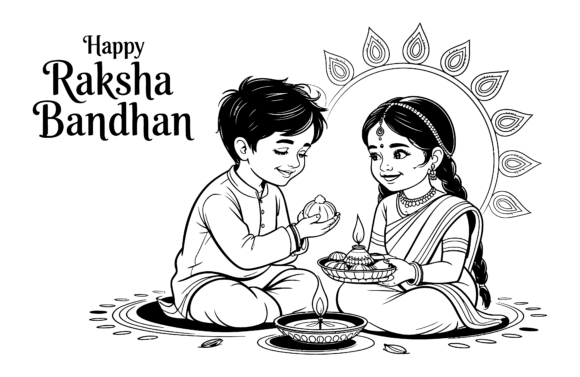
Consider the visual symbolism often associated with this occasion. A black and white illustration depicting a young boy and girl celebrating Raksha Bandhan captures the timeless nature of the event. In such imagery, the boy, dressed in traditional Indian attire, holds a small round object—perhaps a coin or a sweet—symbolizing his promise of protection and support. Opposite him, the girl, adorned in traditional clothing with jewelry and a bindi, sits holding a basket of sweets and a lit diya. The light from the diya represents clarity and warmth, while the decorative patterns and sun-like motif in the background symbolize the enduring energy of the Hindu tradition. This visual narrative is not merely artistic; it reflects the reciprocal nature of the sibling relationship.
Strengthening Emotional Infrastructure Through Ritual
For professionals and entrepreneurs, the concept of "emotional infrastructure" is critical. Just as a business requires robust systems to function, families need rituals to maintain cohesion. Brother sister celebrating Raksha Bandhan serves as an annual audit of this emotional infrastructure. It forces a pause in the daily grind, requiring siblings to physically or virtually come together, acknowledge their shared history, and reaffirm their commitment to each other’s well-being.
This ritualistic check-in can significantly improve communication. In many adult sibling relationships, contact may become sporadic, limited to major holidays or family emergencies. Rakhi provides a low-pressure, high-meaning occasion to reconnect. The act of tying the rakhi is tactile and intimate, breaking down barriers that text messages or emails cannot. For marketers and creators, understanding this depth of connection is vital when crafting campaigns around familial love. It is not just about selling a product; it is about facilitating a moment of genuine human connection.
Practical Benefits for Modern Lifestyles
Why does this ancient tradition matter to the modern adult? The benefits are tangible and multifaceted:
- Enhanced Support Networks: Strong sibling bonds correlate with better mental health outcomes. Knowing you have a lifelong ally can reduce stress and anxiety, particularly during career transitions or personal crises.
- Cultural Grounding: For those living away from their hometowns or countries, participating in Brother Sister Celebrating Rakhi helps maintain a sense of identity and belonging. It connects individuals to their heritage, providing stability in a rapidly changing world.
- Simplified Gift-Giving Decisions: The tradition offers a clear framework for gifting. Instead of the ambiguity of birthday or Christmas presents, Rakhi has established norms—sweets, dry fruits, personalized tokens, or monetary gifts. This simplifies decision-making and reduces the cognitive load associated with shopping.
- Opportunity for Conflict Resolution: The ceremonial aspect of asking for forgiveness and promising protection can serve as a neutral ground for resolving lingering disagreements. It creates a safe space for resetting the relationship dynamic.
Navigating the Logistics of Celebration
Executing a meaningful celebration requires planning, especially for busy professionals. The image of the girl holding a basket of sweets and a lit diya reminds us of the preparatory elements involved. Here are practical recommendations for organizing a seamless experience:
- Early Preparation: Do not wait until the last minute. Order rakhis and gifts at least two weeks in advance to account for shipping delays, particularly if sending items internationally. This ensures quality and variety.
- Personalization Over Price: The value lies in the thought, not the cost. A handwritten note explaining why you appreciate your sibling’s support over the past year can be more impactful than an expensive gadget. Reflect on specific instances where they helped you, mirroring the boy’s gesture of holding out a token of gratitude.
- Virtual Participation: If distance prevents physical presence, leverage technology. Schedule a video call during the auspicious time (muhurat). Send the rakhi via courier beforehand and guide your sibling through the tying process virtually. Share a meal together over video to mimic the communal aspect of the tradition.
- Inclusive Celebrations: Modern interpretations of Raksha Bandhan are evolving. Many families now include sisters tying rakhis to sisters, or brothers to brothers, emphasizing universal protection and love. Be open to these variations to ensure all family members feel included and valued.
Who Benefits Most from This Tradition?
While everyone can appreciate the sentiment, certain groups derive specific advantages from actively engaging in Brother Sister Celebrating Rakhi:
Expatriates and Remote Workers: Individuals living far from their family roots benefit immensely from the structured connection this festival provides. It combats isolation and maintains a tangible link to their support system.
Parents: For parents, facilitating this celebration between their children teaches valuable lessons about empathy, responsibility, and lifelong commitment. It models healthy relationship dynamics for the next generation.
Small Business Owners: Entrepreneurs in the ethnic wear, gift, or confectionery sectors can leverage this period for targeted marketing. Understanding the nuances of the tradition allows for more authentic storytelling in brand campaigns, resonating deeply with consumers who value cultural authenticity.
Limitations and Considerations
It is important to acknowledge that not all sibling relationships are ideal. For those with strained or toxic family dynamics, the pressure to celebrate can be stressful. In such cases, it is acceptable to modify the tradition. A simple message of goodwill, without the elaborate rituals, may be more appropriate. The goal is emotional well-being, not performative compliance. Additionally, commercialization can sometimes overshadow the spiritual essence. Consumers should be mindful of this and strive to keep the focus on the interpersonal bond rather than material exchange.
Furthermore, the traditional gender roles embedded in some interpretations of Raksha Bandhan—where the brother protects and the sister prays—may not align with modern egalitarian values. Many families are redefining the ritual to emphasize mutual respect and bidirectional support, ensuring it remains relevant and empowering for all participants.
Conclusion: Embracing the Essence
Brother Sister Celebrating Rakhi is more than a religious obligation; it is a strategic tool for nurturing one of life’s most enduring relationships. By approaching the festival with intentionality—focusing on communication, personalization, and mutual respect—individuals can strengthen their emotional support networks and preserve cultural heritage. Whether through a grand gathering or a quiet virtual exchange, the core value remains the same: acknowledging the unique bond that siblings share and committing to uphold it through the challenges of life. As the lit diya in the traditional illustration suggests, this bond brings light and warmth, guiding siblings through the complexities of their shared journey.